India's 2026 Census Puts Christian Converts in a Difficult Position
India's ongoing 2026 census marks the first time since independence that the government is recording caste alongside religion in the same national count. For most citizens this is a bureaucratic footnote, but for a specific and vulnerable group — Dalit Christians — it has become a genuinely difficult personal decision with real consequences either way.
Under Indian law, Scheduled Caste (SC) status, and the welfare protections and reservations attached to it, are legally restricted to Hindus, Sikhs, and Buddhists. Converts to Christianity or Islam are excluded from these protections, based on the government's position that caste does not exist within these religions. In practice, this means a Dalit Christian faces a stark choice when a census official arrives at their door: identify honestly as Christian and lose access to protections tied to Scheduled Caste status, or continue registering under a Hindu SC identity that no longer reflects their actual faith, in order to retain benefits their family may depend on.
Ravi Kishore, a third-generation Christian from Andhra Pradesh interviewed as part of reporting on this issue, described the bind directly: his family has practiced Christianity for generations, yet continues to be listed as Scheduled Caste Hindus in official records, because that classification has allowed his grandfather and father access to education and employment opportunities that would otherwise have been closed to them due to caste-based discrimination. Being honest about his faith, he said, would mean giving up protections his family has relied on for decades.
For others, the calculation involves a different kind of risk entirely. In states with active anti-conversion laws and elevated hostility toward Christians, some believers are wary of formally identifying as Christian at all, fearing it could expose them to legal or social consequences beyond just the loss of welfare benefits. One individual interviewed, who has quietly worshipped at a house church for about a year and a half, explained that his livelihood as an electrician depends on local relationships and trust — and that being openly known as Christian could change how his community and potential clients see him, in a state where anti-conversion enforcement is already a serious concern.
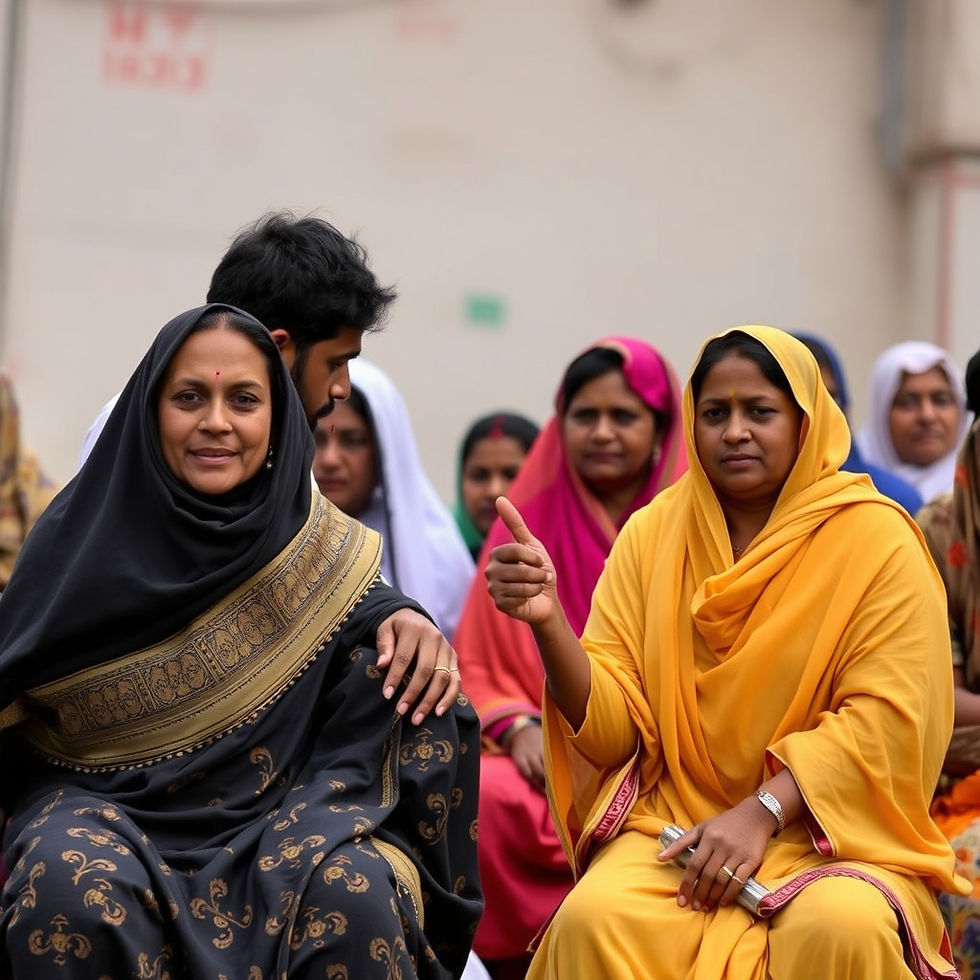
This dilemma sits inside a larger and long-running debate about religious conversion in India. Public discourse frequently invokes the narrative of "mass conversions" among Dalit and lower-caste communities as a justification for stricter anti-conversion laws, despite research — including a widely cited 2021 Pew Research Center report — finding that religious conversion in India is in fact rare. Critics of the current legal framework argue that the exclusion of Christian and Muslim Dalits from SC protections effectively punishes individuals for their faith while doing little to address whatever underlying social dynamics the law claims to be protecting against.
The stakes attached to this year's census are unusually high. India's last census, conducted in 2011, recorded Christians at just 2.3% of the national population — a figure widely believed by religious minority advocates to be a significant undercount, precisely because of the pressures described above. With the current census expected to take roughly a year to complete and final data not anticipated until the end of 2027, the coming months will offer millions of Dalit Christians a recurring, quiet decision about how — or whether — to represent their faith on the record, with consequences that could shape their access to education, employment, and legal protection for years afterward.
Source: Christianity Today — Read the full report
Comments